



Revealing the extraordinary diversity of plants to create a new generation of sustainable ingredients that enhance human wellbeing and protect our planet’s biodiversity.
We cultivate plant cells to produce the complex molecules that make real plant ingredients.
Growing the Future of Plant Ingredients
We cultivate plant cells to produce the complex molecules that make real plant ingredients.

Plant diversity meets biotechnology.
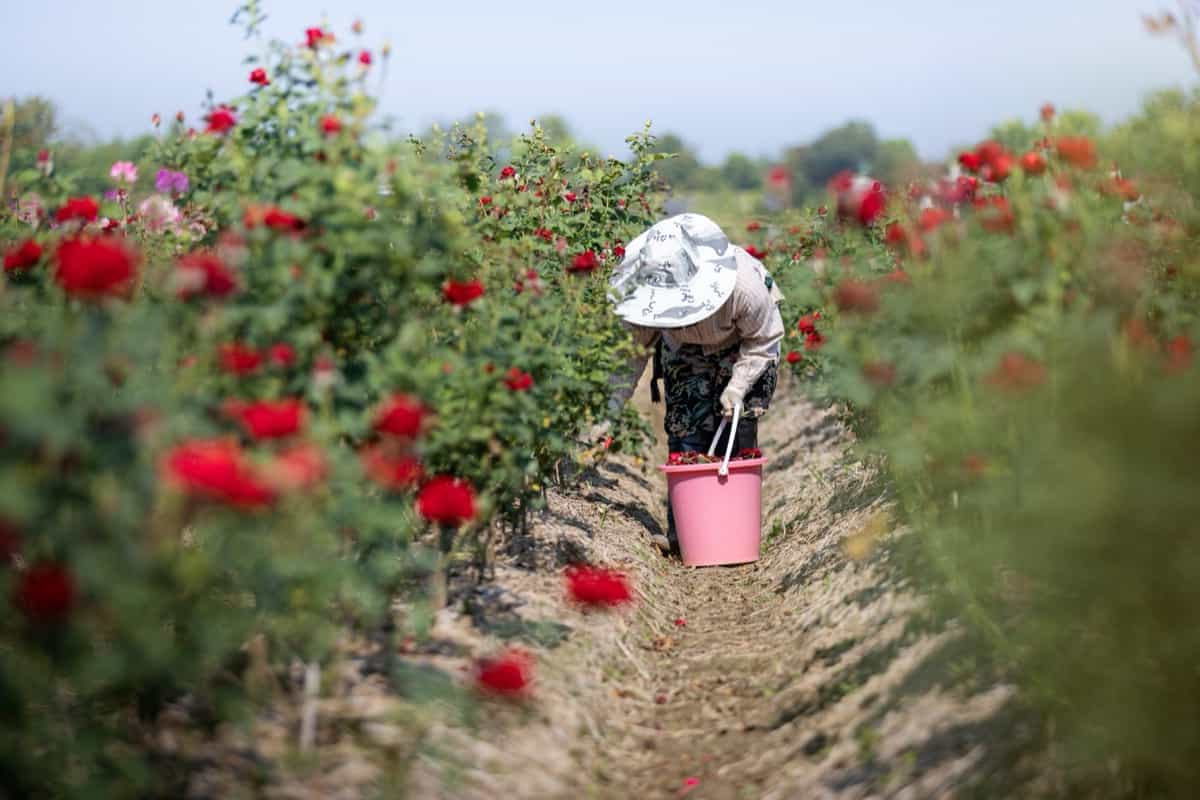
Limits of farm-grown ingredients
Land and water scarcity, climate volatility, and inconsistent yields lead to unstable quality and pricing, making agricultural sourcing unsustainable for modern formulations.
Get started

Resource-Intensive Production
Extensive land, water,and chemical inputs.

Variable Quality
Climate and seasonal conditions affect yield and composition.

Fragile Supply Chains
Global sourcing increases disruption risk and supply uncertainty.

THE SOLUTION:
Precision plant cell cultivation
We cultivate plant cells in controlled bioreactors to produce valuable plant-derived ingredients, independent of agriculture.
Contact Us
01
02
03
04
01
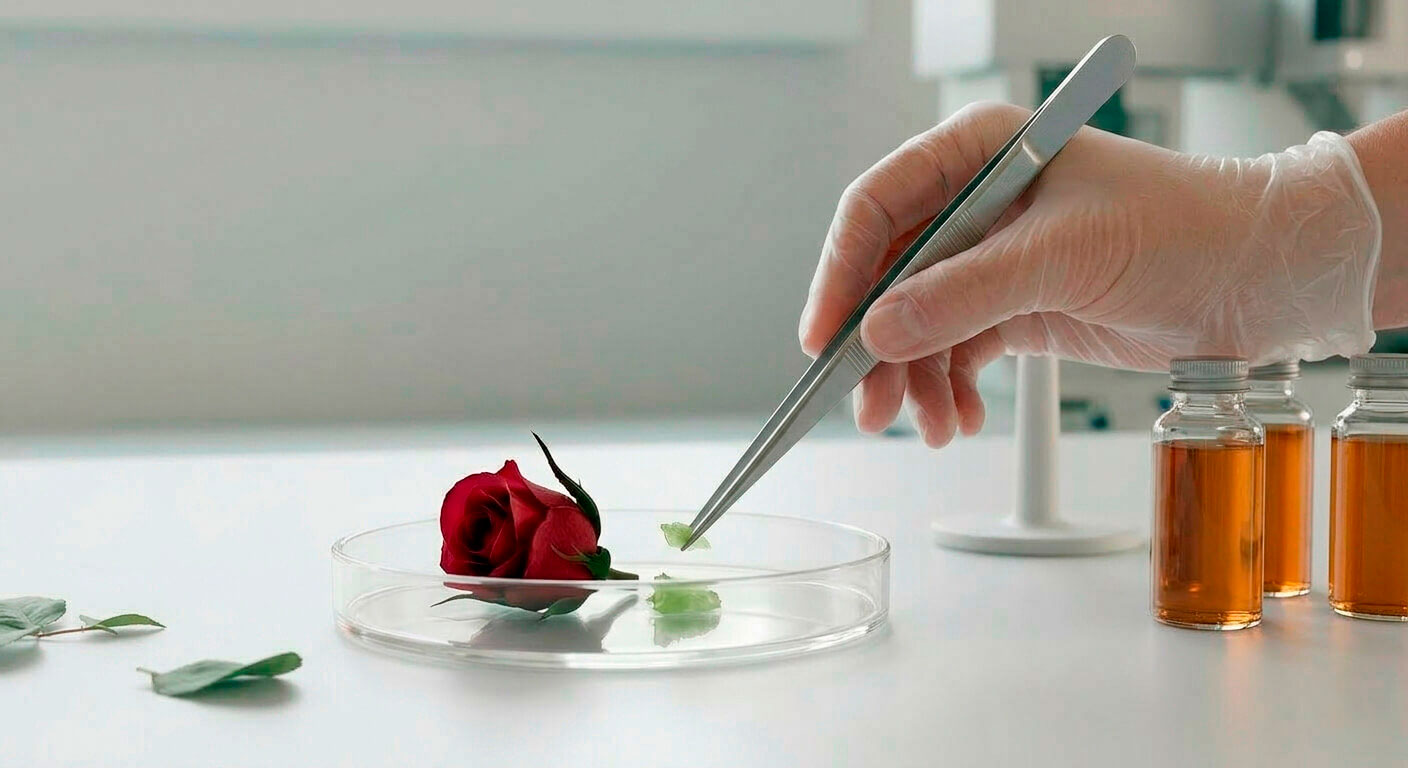
Plant Tissue Culture
Plant cells are isolated from selected plants and grown in sterile cell cultures.

02
Cell lines Selection
High-performing cell lines are selected for enhanced production of target compounds.

03
Controlled Cultivation
These cells are cultivated in controlled bioreactors for stable and consistent ingredient production.

04
Ingredient Extraction
The cultivated cells are processed to obtain high-quality plant extracts.

Advantages of
Plant Cell Cultivation
Our platform provides biotech-grade control over purity, potency, and production conditions, far beyond the limits of traditional agriculture. This enables formulators and R&D teams to access cleaner, more potent, and more consistent ingredients for advanced formulations.
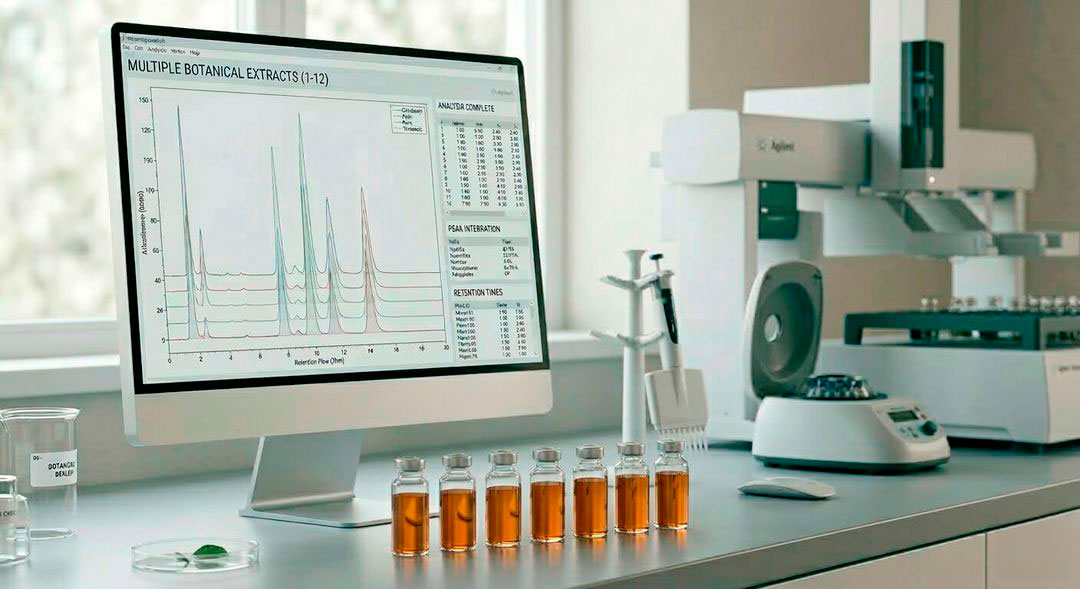
Consistent composition across batches
Standardized production minimizes ingredients variability.
Reliable year-round production
Reliable supply independent of climate, seasons, and geography.
Enhanced traceability
Full traceability from plant source to final ingredient, with reduced contamination risk.

Biodiversity preservation
Bioreactor cultivation reduces pressure on wild plant harvesting and fragile ecosystems.
Unlock
Botanical
New
Ingredients
Molecular Garden helps brands and formulators explore rare botanicals, replace unstable sourcing, and develop next-generation ingredients, all from one platform.
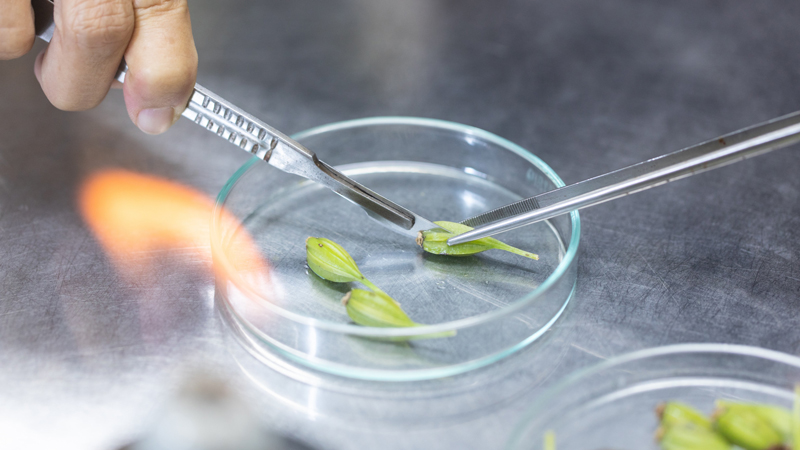
CUSTOM BOTANICAL DEVELOPMENT
Together with brands, ingredient companies, and innovation teams, we develop plant-cell-based production routes.
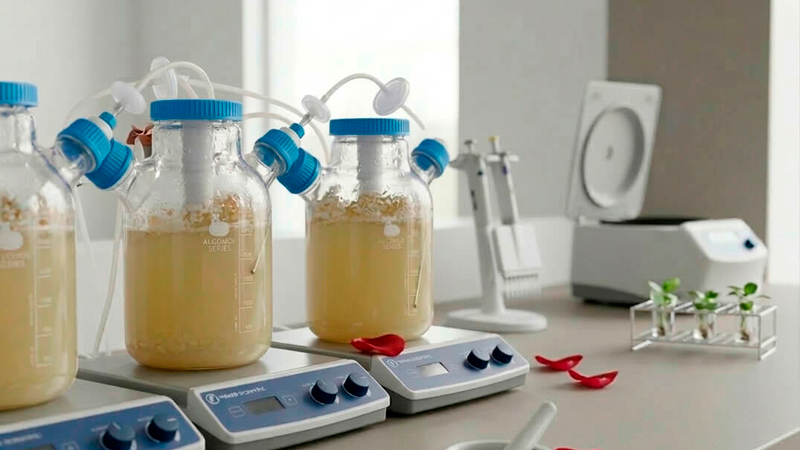
OUR PLATFORM
450 million years of plant chemistry. Discovered, optimized, and manufactured by our platform.
DISCOVER
- AI-powered ingredient discovery
OPTIMIZE
- Cell-line & bioprocess optimization
MANUFACTURE
- Controlled plant cell cultivation

POTENTIAL APPLICATIONS
- Rare botanicals
- Difficult-to-source ingredients
- Custom botanical actives
- Protective plant chemistry
- Standardized botanical profiles
PRODUCT CATEGORIES
Bioactive Ingredients
For skin performance
- Soothing & anti-inflammatory actives
- Skin longevity & antioxidant actives
- Custom plant stem cell actives
Contact Us
Functional Ingredients
For formulation performance
- Natural SPF boosters
- Natural surface-active ingredients
- Stable natural colourants

Contact Us
From rare botanicals to reliable ingredients
We help formulators combine botanical differentiation with measurable performance.
Access to high-value plant ingredients without overharvesting

Support for longevity-focused and stress-protection formulations

Reduced reformulation risk through batch consistency

Alignment with clean beauty and sustainable sourcing standards

Our Partners












Meet the Team
A multidisciplinary team rethinking how plant ingredients are sourced and produced.


Dr. Juanjiangmeng (Ju) Du
CEO (PhD Genetics; MBA; ML)

Dr. Alessandro De Simone
CSO/CTO (SynBio, Bioprocessing, IP)

Dr. Kübra Kontbay
Product Manager (Plant Biotechnology)
Partner with us to scale
farm-free plant ingredients globally.
Partnership inquiries welcome from cosmetic brands, formulators, and innovation teams interested in next-generation botanical ingredients.
You can reach us anytime at hello@moleculargarden.com
Social media
Location
Luisenstrasse 53, Berlin, DE
Here are some frequently asked questions
What is plant cell culture?
Plant cell culture is a biotechnology process where plant cells are cultivated in controlled environments such as bioreactors. Instead of growing entire plants, we grow the cells that naturally produce valuable plant molecules, enabling more reliable and efficient production of natural ingredients.
Why grow plant cells instead of whole plants?
Traditional agriculture depends on land, climate, and seasonal harvests. By cultivating plant cells directly, we can produce valuable plant compounds independent of environmental variability, ensuring consistent quality and supply.
Why not produce plant molecules using microbes like yeast or bacteria?
Microbes are excellent at producing single molecules. Plants, however, naturally produce complex families of compounds that form the unique phytochemical profiles of plant ingredients. By cultivating plant cells, we can produce these natural molecular blends more authentically.
What kinds of ingredients can plant cells produce?
Plant cells naturally produce awide range of valuable botanical ingredients, including plant-based actives for health and personal care, natural aroma molecules, and rare plant compounds that are difficult to obtain through traditional cultivation.
Why is this approach better for the planet?
By cultivating plant cells in controlled environments, we can produce botanical ingredients with less dependence on farmland, pesticides, and seasonal harvests — helping reduce pressure on ecosystems, preserve biodiversity, and build more resource-efficient supply chains.